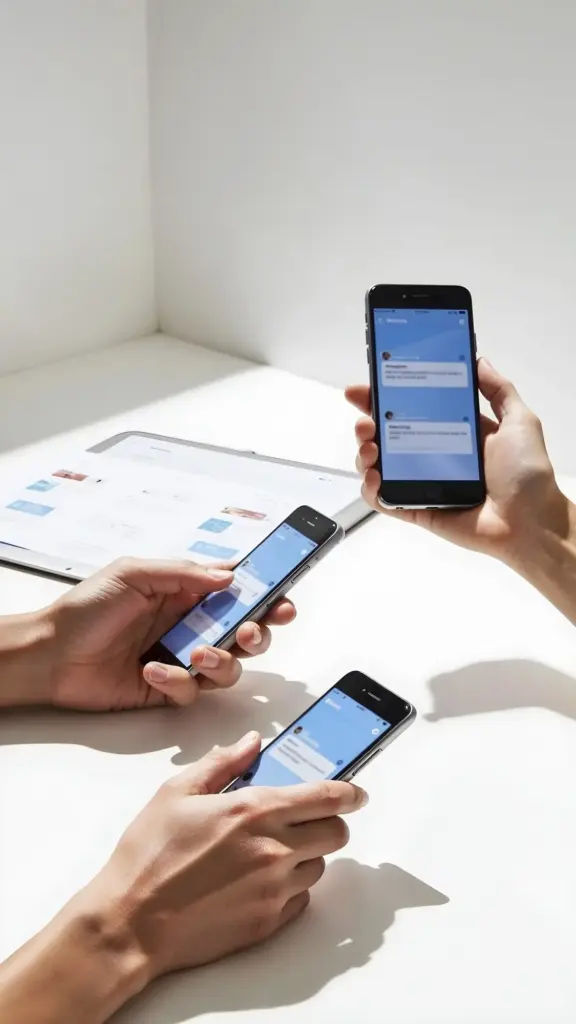
Make Everyday Effortless: Ergonomic Design That Works With You

Today we explore ergonomic product design that simplifies daily tasks by removing tiny frictions, honoring natural movement, and transforming routines into smoother, kinder experiences. Expect practical insights, research-backed tips, and relatable stories that help you evaluate handles, controls, grips, and interfaces with confident clarity. Share your daily challenges, ask questions, and join a thoughtful conversation focused on comfort, inclusivity, and delightful ease.

Start With the Body, Not the Box

Real comfort begins by mapping motions, postures, and reach before sketching lines or selecting materials. Observe everyday contexts—crowded countertops, slippery shower tiles, hurried commutes—and translate them into supportive dimensions and forgiving geometries. When we honor hands, backs, eyes, and attention spans, products feel intuitive from first touch. Contribute your observations from home or work, and help refine priorities that genuinely reduce strain without adding complexity.

Comfort, Measured

Ergonomic comfort thrives on evidence: neutral joint angles reduce strain, grip diameters influence force, and clearer feedback lowers cognitive load. Blend biomechanics, anthropometrics, and sensory cues to create objects that cooperate with muscles and nerves. Track perceived exertion, error rates, and recovery speed. Invite readers to compare alternatives at home, then share results—photos, quick tallies, even short notes—to turn personal observations into practical, community-tested design guidance.

Simplicity That Guides Without Words

Clarity reduces cognitive load. Obvious affordances, forgiving error states, and gentle constraints help actions happen correctly on the first try. Apply Hick’s Law and Fitts’s Law thoughtfully: fewer meaningful choices, larger primary targets, shorter movement distances. Make the right path easiest and most visible. If explanations must be long, the object is still whispering. Share examples where a small icon, subtle notch, or color contrast instantly made everything click.

Inclusive by Default, Adaptive by Design

Adjustability Without Overwhelm

Offer meaningful ranges—handle lengths, tilt angles, strap positions—while hiding complexity behind clear presets. Detents communicate progress; numbered stops aid recall. Avoid infinite dials that provoke doubt. Test with people who dislike settings menus and note smiles versus sighs. When adjustments feel like choosing a favorite chair rather than programming a device, confidence grows. Document the most loved configurations and consider shipping with those defaults, reducing decisions at stressful moments.

Contrast, Landmarks, and Sensory Redundancy

Pair visual, tactile, and auditory cues so comprehension survives poor lighting, gloves, or distractions. Raised icons, color-contrast rings, and textured zones build reliable orientation. Use gentle tones instead of harsh beeps. Ask users to engage while not looking directly—eyes on a pan or a crosswalk—and observe success. Sensory redundancy is not excess; it is resilience. It transforms fragile moments into steady ones, making tasks calmer for everyone, everywhere, every day.

Left, Right, and Limited Mobility

Ambidextrous layouts reduce exclusion and inventory complexity. Symmetrical controls, rotatable modules, or mirrored grips respect different dominant hands and changing circumstances. Evaluate operations from seated, standing, and bed-level positions. If a maneuver demands twisting or overhead reach, consider relocating forces downward or forward. Invite readers recovering from injury to trial prototypes and describe pressure points. Their journeys reveal shortcuts to kindness that fully mobile testers rarely notice until much later.

Materials That Care for Hands and Planet
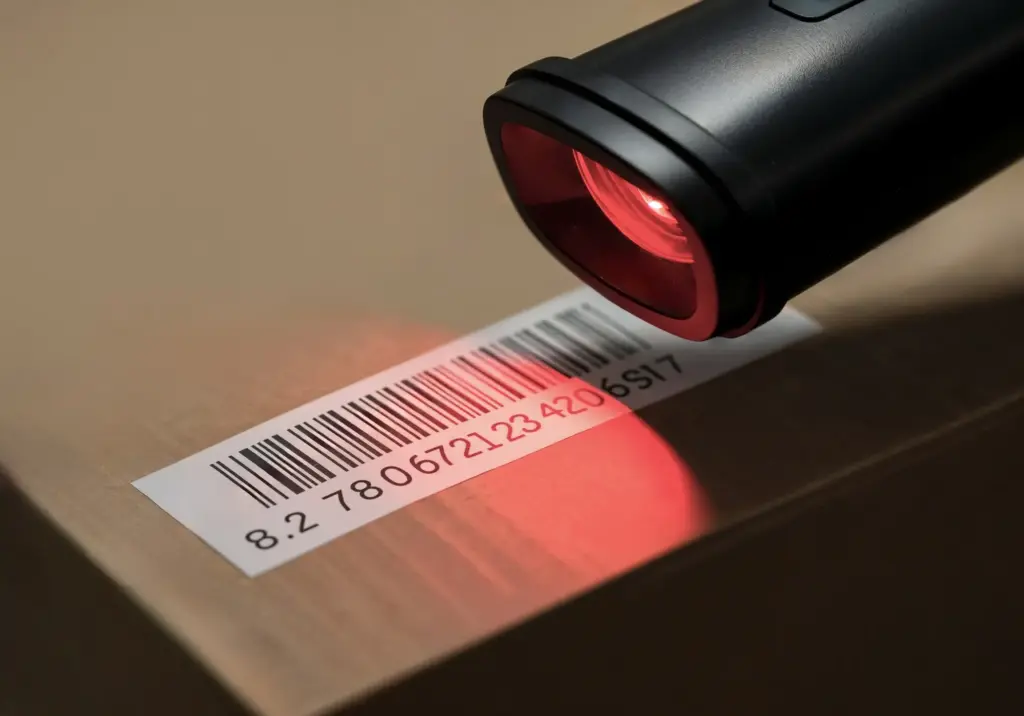
Material choices shape feel, durability, hygiene, and sustainability. Soft elastomers cushion pressure but must resist oils and cleaners. Recycled polymers and responsibly sourced metals can still offer premium tactility. Surfaces should clean easily without losing grip. Consider modular repairability to honor longevity. Ask readers which finishes comfort them most—matte, satin, or micro-textured—and why. Those preferences translate into kinder touchpoints that age gracefully while minimizing waste and environmental burden.

From Prototype to Everyday Habit

Great intentions become great habits through iterative testing. Build quick models, observe authentic use, and refine until gestures feel inevitable. Track time saved, errors avoided, and smiles earned. Translate feedback into clear priorities, then remove distractions compassionately. Invite readers to run simple A/B trials at home and report which option prevents fumbles under pressure. Habits form where effort is light, feedback is honest, and comfort proudly repeats itself.

Moments Made Easier: Stories From Daily Life

The Jar That Finally Opens

A wide, compliant band with a subtle ramped lip lets tender fingers find purchase without biting into skin. Paired with a stable base that hugs countertops, torque transfers cleanly. Ask readers to compare grip confidence across dry, wet, and soapy conditions. When even a tired wrist smiles at success, dignity returns to the kitchen, and independence stretches just a little further into a more comfortable, ordinary evening.

Finding Keys in the Dark

Tactile wayfinding solves fumbling under pressure. A notched anchor on the key head, a luminous ring, and a gently flared edge orient fingers instantly. Test while carrying groceries or guiding a toddler. Count attempts before success and note stress levels. Small, thoughtful cues convert risky moments into routine motions, proving that the kindest designs often whisper through fingertips long before eyes fully understand what happened or why it felt easier.

A Mouse That Stops the Ache

A taller arch supporting the palm, a neutral handshake angle, and low-friction skates can calm irritated forearms. Place primary buttons within effortless reach and sculpt a thumb rest that discourages pinch. Try alternating two shapes for a week and journal afternoon fatigue. When soreness fades and focus returns, workflow transforms subtly but profoundly, revealing how persistent comfort is not luxury at all—it is the foundation of productive, creative work.